Wednesday, March 30, 2011

Big Apple Art Event


This is a picture of the Big Apple in Columbia, South Carolina.

The shag is done to music that is a 4/4 count, but the person dancing to the shag does so to a 6 count. The dancer would count 1and 2 - 3 and 4 - 5 6.
 The Big Apple was originally known as the House of Peace synagogue.  The Big Apple of today was a house of worship which was destroyed by a fire in1915.  21 years later, the congregation was to big for the building and had to sell and move to a new location.  This happened in 1936.  That same year the property became reincarnated as the Big Apple Night Club.  This is where the dance craze from the summer of 1937 was born.  The Big Apple dance moved to New York by way of USC students.  This dance gained the attention of dance instructor Arthur Murray and Tommy Dorsey who wrote “The Big Apple Swing”. The Big Apple Club was closed and the dance was no longer popular by 1938. The former club was moved from its original location to the corner of Hampton and Park Street. The Big Apple still has original architecture and can even be rented out today for special occasions.  The Big Apple is a two story wooden building and has a metal roof.  The building was built for mostly Polish and Russian immigrants, so it is an example of Eastern Jewish architecture. The entrance has a large arch with stained glass windows surrounding it.  Both sides of the building have five windows with horseshoe arches.  The interior has a central recessed dome.  The dome has neon lights in the shape of a crescent moon and shooting stars.  There is also a balcony which was used as a spectator’s gallery during the time that the building was a night club.
The dance known as the shag did not evolve overnight.  The shag is a combination of the Big Apple, Varsity Drag, The Big Bottom, The Lindy Hop, and Jitterbug which led to the era of Swing dancing.  This eventually led to the birth of the Shag.  In North Myrtle Beach during the 1940’s, teenagers developed their own style of Sing that became known as the Shag.  Shag is slower than the West Coast Swing where the dancers do not bounce or hop. This dance is done in 4/4 time.  Billy Jeffers and Chicken Hicks are credited for developing the Shag that we know today. They slowed down the early fast swing tempo into a loose and easy dance.  In 1984, the South Carolina General Assemble made the Shag the official state dance.  There is a National Shage Dance Championship in Myrtle Beach annually.

Columbia Museum of Art Event


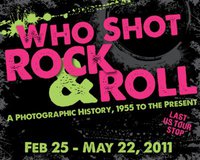
The photograph that I picked from the “Who Shot Rock and Roll” is one by Bob Gruen.  Gruen is an American and was born in 1945.  The photograph is of Tina Turner in 1970. The photograph was printed in1971.  The photograph is about three feet tall and one and a half feet wide. The photo is courtesy of Bob Gruen and is black and white.  The photograph is about fun where Tina is dancing around.  You can see movement in the picture.  Tina is on stage in a sparkly dress dancing around while singing. The photo shows Tina’s energetic and vibrant personality and the presence she has on stage when she is performing. In the photo, Tina is on stage during a concert singing and dancing.
The picture is a gelatin silver print. The gelatin silver print process was created by R.L. Maddox in 181 and was later redone by Charles Harper Bennet in 1878. This is a photographic process used with black and white films and printing papers. Suspended silver salts are in gelatin is coated onto a support material. These materials are light sensitive and are able to be exposed and processed even several years after being manufactured.  When the small silver salt crystals are exposed to light a few atoms of metallic silver are liberated. The amount of time and the temperature conditions control the contrast of the final image. The development is then stopped by neutralizing the developer in a second bath. Once the development is complete, the silver salts are removed by fixing them is sodium or ammonium thiosulphate.  Then, the print is washed in clean water.  At last, the final image consists of metallic silver embedded in a gelatin coating.
Bob Gruen couldn’t abide by the rule laid down by the music industry whereby photographers are allowed in the “pit” for the first three songs at a concert and then they have to leave before the makeup and sweat starts running down faces.  It is only when performers really get going that Gruen is interested in making live shots. Tina Turner is such an amazing performer with moves like no one else.  Gruen tried to capture some of that energy by leaving the camera open to a second exposure while the strobe lights where going off.


This is a picture of the photographer,  Bob Gruen.

Wednesday, March 16, 2011

Assignment # 6

The Baroque Period of Dance
The baroque period was from 1600 to 1750.  Baroque was derived from the Portuguese word barroco meaning misshapen pearl.  During this time dance, art, architecture, and music flourished.  The baroque period is characterized by dynamic movement, overt emotion, and self-confident rhetoric.  During the baroque period there was a tendency to blur distinction between the various arts. Louis XIV was a dancer in European History during this time.  At age 15, he appeared as Apollo, the sun king, in a ballet.  That is why he is still known as the Sun King.  This baroque period of dance is directly related to the baroque music.


Louis XIV, the Sun King

Why People Dance
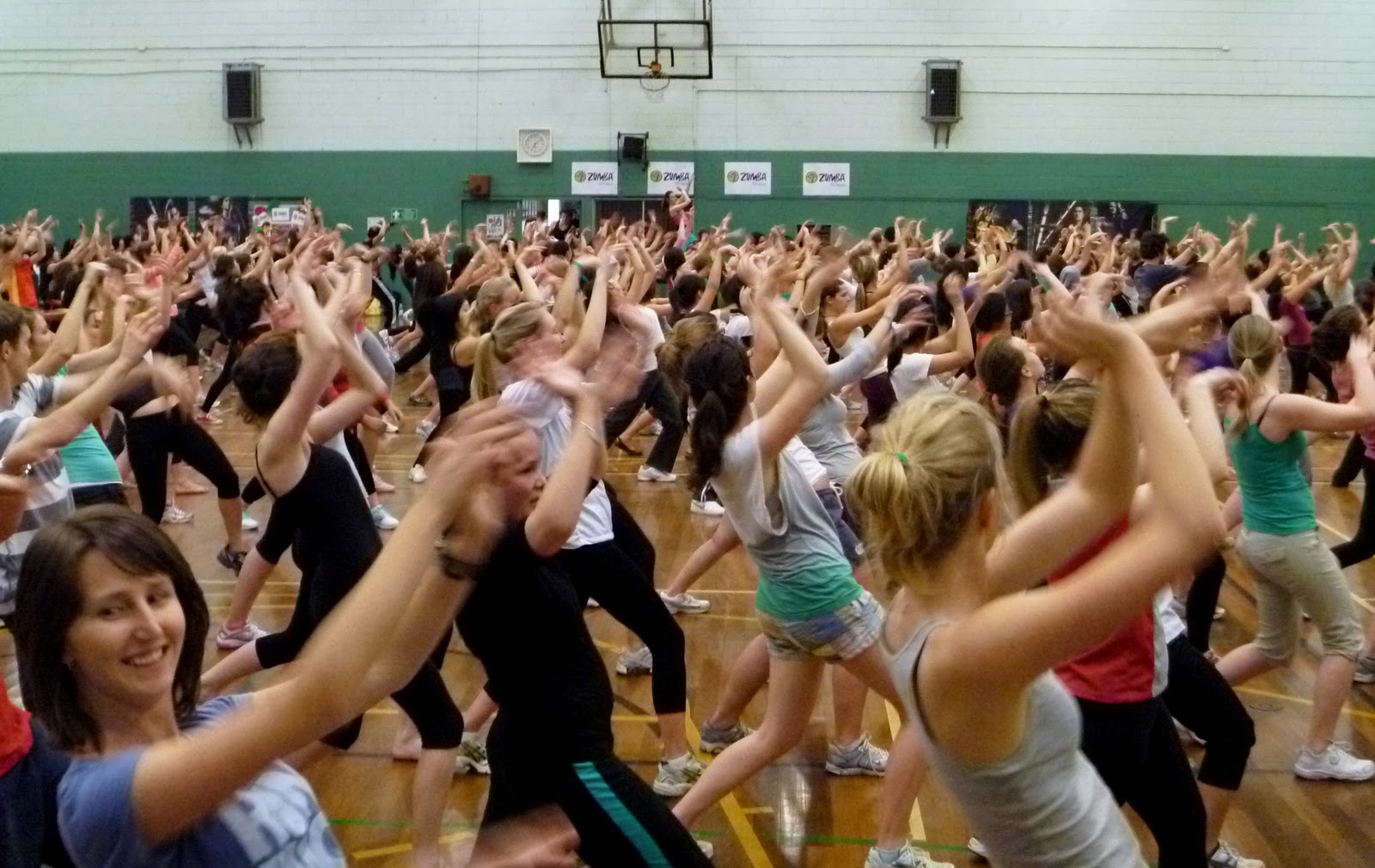
People dance as a form of representation and self-expression.  Some people dance as a form of prayer, a way to stay fit, a way to spend quality time with a partner, or as a social interaction.  Dance is commonly expected to see during a time of celebration like at a wedding.  Sometimes people just dance for fun and as a hobby or interest.  Dance is also done by a way of performing. There are many types of dance and many of them hold different purposes.  An example would be the Butoh dance which is the dance of the dark soul and is an experimental Japanese dance.  This is different from Modern Ballet which is a 20th century variation on classical ballet and is based on the teaching of George Balanchine.

People using dance as a form of exercise by doing Zumba.


One Non-Western Dance Art Form
One non-western dance art form is Polynesian dance. Polynesian dance can be seen and celebrated as a form of art on many islands from Hawaii to Tahiti.  This dance is a major part of many cultures.  His native dance to Hawaii is the hula.  The hula is performed at luaus and festivals. This dance was originally created by the Polynesians settled in Hawaii.  These dancers perform to a song or chant, and this is known as a "mele." Oftentimes the choreography acts out the words or emotion behind the mele. The two kinds of hula are Monarchy and Ai Kahiko.  There is a Polynesian Culture center on the island of Oahu that many tourists, including myself, visit to see this Polynesian dance and this culture.

Polynesian dancers performing a traditional Hula dance.


Monday, February 28, 2011

Film Art Event


1. The establishing shot of the film was an initial shot of women riding bicycles and some walking towards a gate.  The women all together looked happy and were talking and smiling as they rode. Next, there was a mix of pictures from the motor industry with music to accompany the pictures.  They were pictures and audio clips of Ford cars and factories full of workers. This was followed by facts from 1968 and the motor industry. This shot set the stage for my experience with the film by instantly letting me know the setting of the film which was 1968 in the Ford motor industry.  This shot also showed me that it would be particularly about women in the workforce.  This shot helped me see that the main theme of the movie would be something about women in the motor industry in the late 1960’s.

2.  This movie had a variety of camera angles. One camera angle that was used a lot was the long shot where the character in the film at the time was seen in a setting with their surroundings. Seeing the surroundings and the environment played a key role in this film.  This also helped remind the audience of the time and place of the movie.  Another commonly used camera angle in this film was the low angle shot. The low angle shot could be seen throughout the film mostly when the characters were talking. An example of this would be when the speeches were being given in the factory.  There were also a lot of close-up shots which could mostly be seen during the critical parts of the movie.  This helped show the emotion and feeling of the characters which helped the viewer of the movie get emotionally involved in the movie.

3.  The story line of the film was that of a true story about women in the late 1960’s. These women went on strike because they were not being paid the same amount as men.  The women were workers in a Ford sewing factory where they sewed seats together that were later put in Ford vehicles. The women were being paid less because they were women, so they decided to stop making the seats because they knew that their parts was essential for the Ford company. They knew that they were an asset and were needed and they wanted to prove that they were so they could receive equal rights. Ford ran out of seats and had to close down their factory. They were eventually forced to make a compromise and pay the women more. At the end of the film the women received 92% of pay and a promise that there would be a law set in place to ensure equal rights and pay. The overall theme of the movie focused on women’s rights and the history of how women gained the rights that we have today.  The scenes that drew me in were those that showed real emotion from the characters and made me feel what they were feeling. I felt uncomfortable during the sex scene in the back of the car because it seemed like a random scene that was thrown in and I was unable to figure out the correlation or even the reason for the scene.  The film did not feel staged at all.  The characters were so believable and the setting seemed so real that it was almost like you were not watching a movie.  It seemed like real-life. Mise-en-Scene for me was not necessarily seen in the movie in my opinion.

4.  The characters truly set the scene and stage for the movie.  They did the job of convincing the audience of the appropriate time place, and feelings of the people of that time. The characters were extremely believable and that is what made this film work and draw the audience in. The emotion from the characters seemed real like they were really there. The actors playing the roles did not seem like actors because they seemed like the actual characters that they were playing. The movie went not of been an emotionally moving as it was if the actors did not do their jobs of depicting the characters they played.

5.  The music from the film influenced my interpretation and experience of the film by setting the scene and stage for the whole film.  The music helped show the time period and feelings in the film.  Music was a big part of the film and helped show the feelings of the characters.  One part of the movie where the women were on strike there was music playing that made me think of determination and purpose. At the end of the movie, the women were happy that they were beginning to get the rights they deserved and the sound of the music showed this happy emotion. Music can emotionally move the audience and emphasize the feelings of the characters and in this movie it did just that.  The music helped involve the audience into the storyline and characters’ feelings.

6.  The genre of the film would be a documentary. This movie is a documentary because it depicts the historical reality of events that actual took place. This is the actual story of women finding their voice and sticking up for their rights in the 1960’s. Parts of the film could be seen as comedy but overall the film had a serious tone and the message was not meant to be funny. The message was to show what actually happened and to show the real emotions that were felt during that time as well as the way people actually lived and felt.

7. The movies theme focused around women’s rights, equality, and empowerment. This movie made me think that one person can change the world and that you should stand by what you think is right and how you feel.  Determination and perseverance will pay off the same way it did for the women in this film. This movie showed the struggles to get women to where they are today and what had to be overcome to get these rights and equality.


Wednesday, February 23, 2011

Assignment #5


1.      Jazz music is a popular form of music that is characterized by a swinging rhythm. Some well-known Jazz musicians are Louis Armstrong and Charlie Parker.  Charli Parker is the musician that we listened to in class. Armstrong was an early Jazz musician and Parker was a late Jazz music innovator.  Jazz began as a type of dancing music which can be seen through the swing music style.


Jazz music has its first roots in the African American culture and traditions through the blues and ragtime sounds. Jazz was initially a part of European military bands. Early Jazz  is related to ragtime sounds and music. Jazz roots come from the city of New Orleans, Louisiana where the French-Canadian culture was combined with the Cajuns own style of music.  This Jazz sound spread from New Orleans to Chicago.

Jazz music is particularly unique to Americans because Jazz roots were right here in America in New Orleans and it was the many American that contributed and helped innovate Jazz music into what we hear today. Also, Americans would swing dance to Jazz music.   This style of dance can be seen through the Swing Era in America.


2.       In Peter and the Wolf the instruments that play Peter are the string instruments.  The Duck is played by an oboe.  The wolf is played by French horns. A flute plays the bird.  The Grandfather is played by a bassoon and the Hunters are played by the woodwind


3.      Classical music embodies clarity of form and logically develops. The Classical music era falls between the Baroque music era and the Romantic music era. Classical music has a much lighter texture and is less complex than the Baroque sound. It is mainly a homophonic sound and is made up of an Orchestra full of sound.

The Classical era composer that was listened to in class was Joseph Haydn.


Wednesday, February 16, 2011

Assignment #4

1.      This is a picture of the Jones Physical Science building also known as the PSC on campus.        

2.      The Jones Physical Science building resembles a Greek temple like a lot of architecture does.  The front has Doric columns which are very plain and simple. The columns are not Ionic or Corinthian because they are not ornate or have a Capital I at the top. The columns are just plain and simple.  The column has a plain shaft.  The building also has post and lintels.  This basic post and lintel is support that is spaced far enough apart so the ceiling will not fall.  This resembles an ancient temple and also has the look of the Empire State building or the Twin Towers.


3.       The Jones Physical Science building is an International style with straight lines, a boxy building shape, little decorations, and very little details. The building is not only this International style but also has a little bit of a Greek mix because it resembles the front of a temple with the placement of the columns and the door centered underneath. The building has few windows and is built to conserve energy yet provide light at the same time. 

Wednesday, February 9, 2011

Assignment #3

1.  Daily Aesthetic Experience


I drive my car everyday.  I drive my car everywhere including class, the store, and to my apartment.  I grab my little key as I am rushing out of the door in a frantic hurry.  I quickly walk to my little car. On my way, I unlock my car so when I get to my car I quickly throw open my door, toss in my bookbag, purse, or whatever I have in my hands.  I listen to it clunk as it hits my side seat or the floorboard.  Then, I plop down in my car and shut my door with a bang.  As I turn my tiny, rectangular key in the ignition, I take in that distinct sweet, minty smell that my car has from the orbit gum that I always keep handy.  Then, I click in my seatbelt and find some country music on the radio so that I am ready to go.  Last, I put my car in reverse and turn around as I back up out of my parking spot. I brake when I am out of my parking spot and put the car in drive and off I go.

2. Nessum Dorma” by Pavarotti

While listening to “Nessum Dorma” by Pavarotti I began with a calm feeling that felt very soft and soothing.  The music began to get more aggressive and bring feelings of real love and emotion to the surface as the music speed up and go stronger and richer in sound.  The sound was whimsical and light to begin with and then the music began to get darker. The music suddenly changed towards the end and I began to try to make the picture appear darker in the mood by making the colors stronger and darker.

3. Establishing Shot
The establishing shot of a movie sets up the framework of the overall feel of the movie.  This is like the introductory shot that sets up a scene for the audience and its viewers. In the movie “Toy Story 3” sets up the action part of the movie where the toys are talking and acting out how it used to feel when Andy played with them.  The purpose is to set up the scene and this shot sets up the play feeling of the movie and reminds viewers of the first two movies.  The beginning of the movie brings back the old feelings.  The mood of the film is exciting and the establishing scene sets that up for the viewers of the film.  The establishing shot is very important because it helps establish mood and helps the viewers get an initial feeling of how the movie will be.  This shot does exactly that.  The movie is fun, exciting, and suspenseful all at the same time and all of those feelings are within the first establishing shot.  The overview of the shot also gives the viewer a chance to see the surroundings so that the viewer can get an idea of the setting.  In this case, it is a western setting out in the desert.